
Write Your Novel in 2026: Week 4: Plot without suffocating yourself
3 min read
Plot is where many writers panic.
They either outline every scene in advance and drain the story of surprise, or they refuse structure entirely and wander until the draft collapses under its own weight.
Neither extreme works for long.
Week 4 is about building structure that supports your story without strangling it.
Plot is not a cage. It is scaffolding.
Why Plot Feels Suffocating
Writers resist plotting for one of three reasons:
- They think structure kills creativity.
- They were taught rigid formulas that felt mechanical.
- They do not trust themselves to follow a plan.
But the real issue is not structure. It is over-control.
When you try to predict every emotional beat before writing it, you remove discovery. When you avoid structure entirely, you create confusion.
The goal is not control. The goal is direction.
Step 1: Define Your Beginning, Middle, and End
You do not need a scene-by-scene outline yet.
You need clarity on three anchors:
Beginning: What changes your character’s normal life?
Middle: What complicates the story so deeply that retreat is impossible?
End: What final choice or consequence resolves the central conflict?
If you cannot answer these in a few sentences, your plot will drift.
Your job this week:
Write 2 to 3 sentences describing your beginning, middle, and end.
Step 2: Identify the Midpoint Shift
The midpoint is where the story stops being reactive and becomes urgent.
Something changes that:
- Raises the stakes
- Reveals new information
- Forces your character to act differently
Without a midpoint shift, the middle of your book will feel repetitive.
Your job this week:
Write one sentence describing what permanently shifts at the midpoint.
Step 3: Connect Plot to Character
Plot events should grow from character decisions.
If events are happening randomly, your character is not driving the story.
Ask:
- What choice leads to the next complication?
- What consequence creates the next obstacle?
- What belief is being tested through this event?
If you remove the character’s decision and the plot still works, it is not strong enough.
Your job this week:
List three major plot events and the character decisions that caused them.
Step 4: Leave Room for Discovery
Plotting without suffocating yourself means leaving space.
Instead of outlining every scene, try this:
- Outline major turning points only.
- Let scene-level details emerge during drafting.
- Adjust the outline as the character evolves.
Structure is a guide, not a prison.
Week 4 Challenge
By next Wednesday, complete the following:
- Clarify your beginning, middle, and end
- Identify the midpoint shift
- Connect three plot events directly to character decisions
- Remove one unnecessary or repetitive event
You do not need perfection. You need direction.
Plot intimidates writers for one simple reason: structure feels like control.
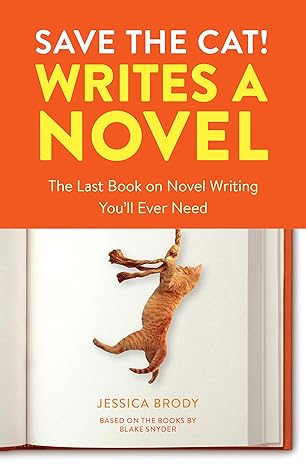
Some writers over-outline and drain their story of surprise. Others avoid structure entirely and end up with a draft that wanders. Save the Cat! Writes a Novel by Jessica Brody exists to solve that tension.
Originally adapted from Blake Snyder’s screenwriting method, Brody retools the “Save the Cat” beat sheet specifically for novelists. The result is one of the most accessible books on story structure available today.
For writers working through Week 4: Plot without suffocating yourself, this book offers scaffolding without suffocation.
Book Review: Save the Cat! Writes a Novel by Jessica Brody – INTELLECTUAL INK
What’s Coming Next Week
Week 5 focuses on Surviving the messy middle and how to keep writing when momentum dips.
Your Turn
Does your plot guide your story, or does it control it?
Want the Full Write Your Novel in 2026 System?
This article is part of a year-long writing system designed to take you from idea to finished book to publication.
If you want the complete 48-week roadmap plus printable weekly worksheets to help you actually do the work, join our Substack.
Subscribers receive:
- The full Write Your Novel in 2026 syllabus
- Weekly printable writing workbooks
- Guided accountability as the series continues
Join the Substack here and start Week 1 with the printable workbook. Intellectual Ink Magazine | Substack