
Book Review: 10 Commandments of Black Economic Power by Dr. Boyce Watkins
2 min read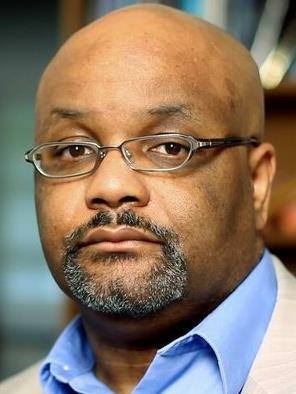
10 Commandments of Black Economic Power by Dr. Boyce Watkins is not a traditional finance book, and it does not pretend to be. From the start, Watkins makes it clear that this work is written specifically for Black readers, not as a stock market guide or a get rich quick blueprint, but as a call to rethink how wealth moves through our families and communities. His focus is not individual flex culture. It is economic repair, ownership, and long term positioning.
Throughout the book, Watkins argues that the Black family is already a powerful economic institution, but too often operates without strategy. He pushes readers to examine spending habits, investment patterns, and the difference between income and ownership. The message is direct. A paycheck sustains you, but assets sustain generations. For entrepreneurs, this hits hard. The book reframes business not just as personal ambition, but as infrastructure, something that should strengthen your household and circulate value intentionally.
This is not a soft or neutral read. Some readers may challenge parts of the cultural framing or wish for deeper exploration of systemic barriers. Still, the larger takeaway remains clear. Economic power does not happen by accident. It requires discipline, planning, and collective awareness. Whether you agree with every commandment or not, the book forces an important question. Are you building wealth for yourself, or are you building legacy?
Dr. Boyce Watkins is a financial scholar, author, and commentator known for his work on economic empowerment within the Black community. He holds a PhD in finance and has built a platform focused on financial literacy, ownership, and wealth building. Through his books, lectures, and digital media presence, Watkins encourages readers to think critically about money, investing, and collective economic strategy. His work consistently centers the idea that long term stability and generational wealth require intentional planning, disciplined habits, and community awareness.