
Book Club: Colson Whitehead’s Harlem Trilogy Is One Long, Crooked Love Letter to New York
4 min read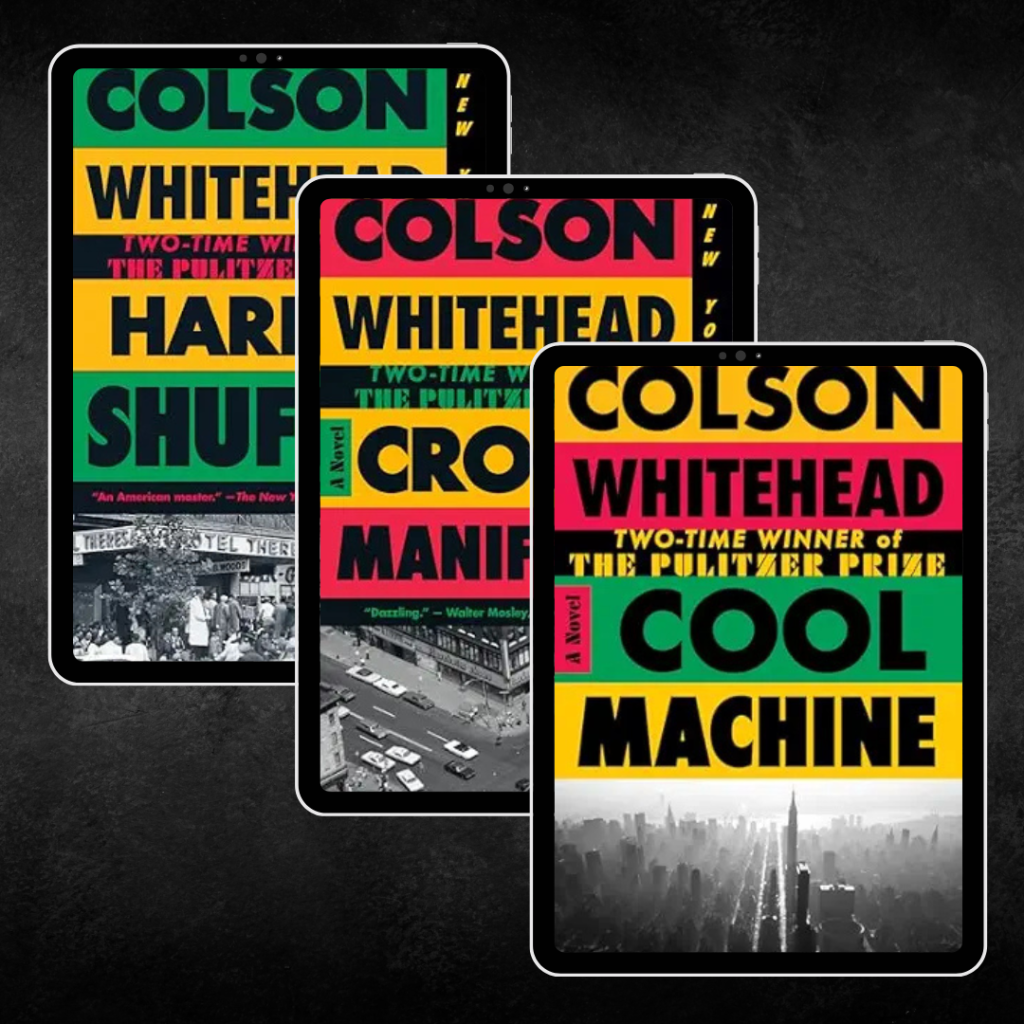
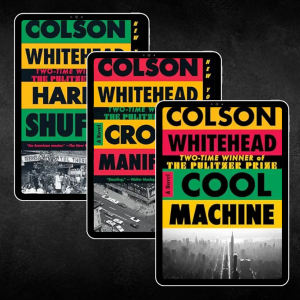
Colson Whitehead’s Harlem Trilogy follows Ray Carney across more than two decades of business, family, crime, ambition, and New York City change. Harlem Shuffle, Crook Manifesto, and Cool Machine move from the 1960s into the 1980s, carrying Ray from a furniture salesman with questionable side connections into a seasoned operator who has spent years managing the distance between his respectable life and the people he knows after dark.
Ray wants a thriving store, a stable home, a good reputation, and enough money to give his family more than he had growing up. He also knows how to move stolen goods, who to call when a problem needs muscle, and when a respectable solution is no longer going to work. Whitehead builds the trilogy around that tension and lets it deepen as Ray gets older, more successful, and more experienced.
It Starts With Harlem Shuffle
Harlem Shuffle introduces Ray in 1960s Harlem, where he is building his furniture business and settling into family life with his wife, Elizabeth. His cousin Freddie regularly brings him merchandise that has clearly taken the scenic route to Ray’s back room, and Ray has already learned how to turn those goods into cash without asking too many questions.
Freddie raises the stakes when he pulls Ray into a robbery connected to the Hotel Theresa. From there, Ray’s world expands into gangsters, fences, corrupt officials, thieves, and people with long memories. His business continues running while the criminal side of his life keeps demanding more attention, and Whitehead uses that overlap to create much of the book’s humor.
Ray is constantly calculating. He worries about inventory, customers, bills, family expectations, and reputation while also deciding which criminal connection is safest to use. Every favor creates another obligation, and every shortcut seems to bring him closer to people who are far more dangerous than he is.
Crook Manifesto Turns Up the Pressure
Crook Manifesto moves into the 1970s, and New York feels rougher from the opening pages. Ray is older and more established, but one family request pulls him back into a world he keeps trying to manage on his own terms. He wants Jackson 5 tickets for his daughter, and that search reconnects him with a corrupt police officer who never gives anything away for free.
The novel expands beyond Ray’s personal balancing act and gives more space to Pepper, one of the trilogy’s strongest characters. Pepper is blunt, dangerous, observant, and often funny without trying. He moves through Harlem and New York with a clear understanding of who is lying, who is scared, and who is about to make a very bad decision.
The book moves through crime, film production, political corruption, arson, hustling, and neighborhood change while Ray’s family and business continue growing around him. Whitehead keeps the story grounded in practical concerns, and that keeps the larger world connected to the people moving through it.
Cool Machine Closes the Circle
Cool Machine brings the trilogy into the 1980s and follows Ray through three connected stories set in 1981, 1983, and 1986. By this point, he has spent years learning how to move between his legitimate business life and the criminal world that keeps pulling him back in.
The final book gives Ray and Pepper new problems to navigate while bringing decades of relationships, family history, old favors, and past choices back into play. Whitehead lets the weight of the earlier books sit naturally inside the story, giving the conclusion a sense of history without slowing down the crime, humor, and chaos that carried the trilogy from the beginning.
The Verdict
Ray Carney holds the trilogy together with a mix of ambition, loyalty, practicality, and questionable judgment. He loves his family, takes his business seriously, and understands how favors, money, and leverage move through his neighborhood. Whitehead keeps him complicated without overworking the point, and Pepper becomes the perfect counterweight: sharp, intimidating, observant, and increasingly memorable as the series goes on.
Harlem changes around them as the trilogy moves from the 1960s through the 1980s. Businesses shift, buildings disappear, crime evolves, and new hustlers replace old ones while Ray experiences those changes through his store, family, customers, and criminal contacts. The crime plots keep everything moving with robberies, crooked cops, stolen goods, dangerous favors, and schemes that usually begin with one small problem and grow into something much worse.
Cool Machine closes the series with the same mix of crime, humor, family, money, and bad decisions that carried it from the beginning. Harlem Shuffle builds the world, Crook Manifesto expands it, and Cool Machine lets years of history sit behind every choice. Readers who enjoy crime fiction, family sagas, dark humor, historical New York, and complicated characters will find plenty to enjoy across all three books.