
Write Your Novel in 2026: Week 3: Create Meaningful Conflict
3 min read
Conflict is not noise.
Conflict is not chaos.
Conflict is not people arguing for the sake of tension.
Meaningful conflict is what forces your story to move forward.
Most unfinished novels do not fail because the writer lacked ideas. They fail because the conflict never deepens. The same problem shows up again and again with slightly different details, but nothing truly changes.
Week 3 is about creating conflict that matters, conflict that costs something, and conflict that cannot be ignored or reset.
Meaningful conflict does three things:
- It blocks what the character wants
- It forces a decision
- It creates a consequence that changes the situation
If a scene does not do at least one of these things, it is filler.
If multiple scenes do the same thing without increasing cost or risk, the story stalls.
Step 1: Identify the Central Conflict of the Story
Every story needs one core struggle that everything else feeds into.
Ask yourself:
What does my main character want that someone or something actively opposes?
This opposition can be:
- Another character
- A system or institution
- A family or community expectation
- A belief the character refuses to release
If you cannot clearly name what stands in the way, the conflict will feel vague and repetitive.
Your job this week:
Write one sentence that names the central conflict of your story.
Step 2: Separate External Conflict from Internal Conflict
External conflict is what happens on the page.
Internal conflict is why it hurts.
Example:
- External conflict: A character is facing eviction.
- Internal conflict: They believe asking for help means failure.
Both matter. If only the external conflict exists, the story feels flat. If only the internal conflict exists, the story feels stalled.
Meaningful conflict connects the two.
Your job this week:
Write one sentence describing the external conflict and one sentence describing the internal conflict.
Step 3: Increase the Cost of Failure
Conflict becomes meaningful when the cost of failure grows.
Ask yourself:
- What does the character lose if they fail this time?
- What safety or illusion disappears?
- What choice becomes unavailable after this moment?
Escalation is not about being louder. It is about being more expensive.
Your job this week:
List three moments where the consequences of failure increase.
Step 4: Make Conflict Irreversible
If every conflict ends with the story returning to normal, nothing changes.
Meaningful conflict leaves damage behind:
- Trust is broken
- A secret is exposed
- A line is crossed
- A relationship changes permanently
Once this happens, the story cannot go back to how it was.
Your job this week:
Write one sentence describing what permanently changes because of conflict in this story.
Week 3 Challenge
By next Wednesday, complete the following:
- Name your central conflict
- Define the external and internal conflict
- Identify three moments where the cost increases
- Describe what change cannot be undone
Do not revise scenes yet. This week is about clarity, not correction.
What’s Coming Next Week
Week 4 focuses on plotting without suffocating yourself and building structure that supports momentum instead of killing it.
Your Turn
What does your character lose when conflict stops being avoidable?
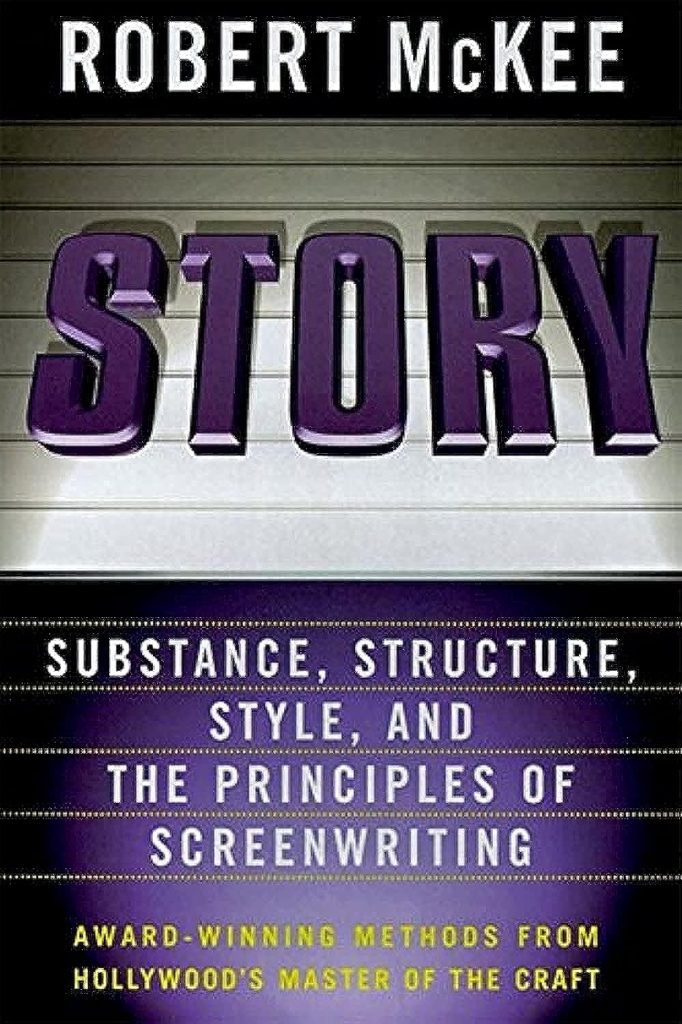
Most writing books promise inspiration.
Robert McKee’s Story promises something harder and far more useful: discipline.
First published in 1997, Story has become one of the most referenced texts on narrative structure, conflict, and character development. It is often associated with screenwriting but dismissing it as “for film only” is a mistake many novelists make to their own detriment. At its core, Story is not about format. It is about cause and effect, choice, and consequence. Those principles apply to every form of narrative storytelling, including novels.
That is why Story pairs perfectly with Week 3 of Write Your Novel in 2026: Create Meaningful Conflict. Read review HERE
Want the Full Write Your Novel in 2026 System?
This article is part of a year-long writing system designed to take you from idea to finished book to publication.
If you want the complete 48-week roadmap plus printable weekly worksheets to help you actually do the work, join our Substack.
Subscribers receive:
- The full Write Your Novel in 2026 syllabus
- Weekly printable writing workbooks
- Guided accountability as the series continues
Join the Substack here and start Week 1 with the printable workbook. Intellectual Ink Magazine | Substack