
Shenell Tolson, DrPH: Raising Curious Minds Through Science
4 min read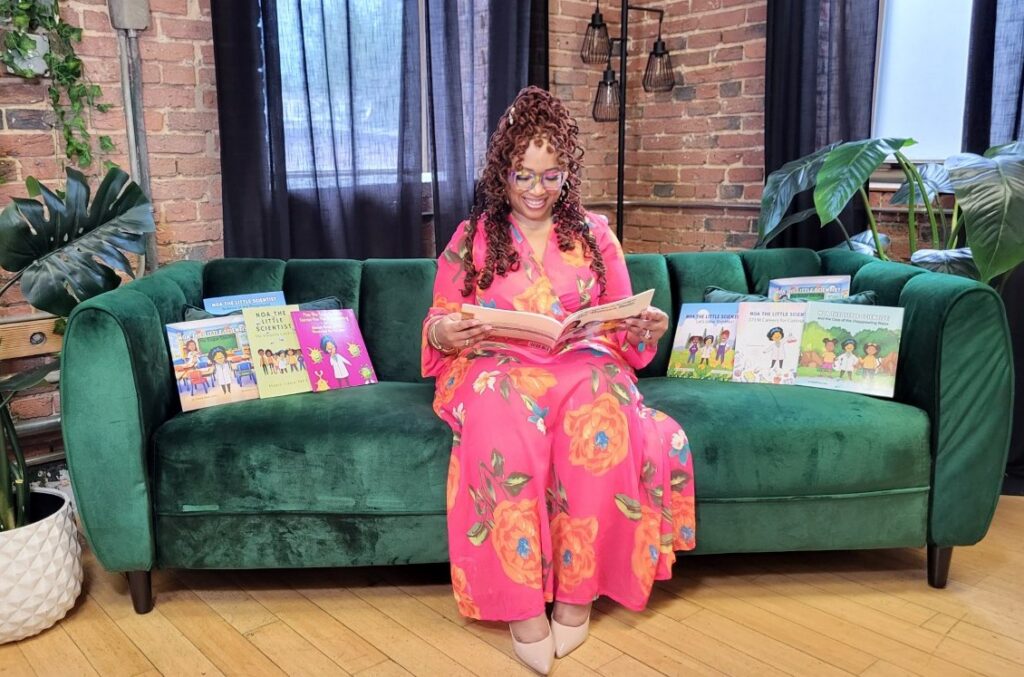
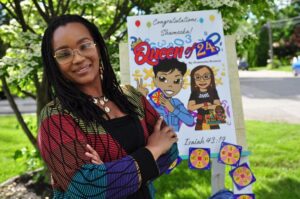
Shenell Tolson, DrPH, has been fascinated by science since childhood. Long before pursuing a career in biology, education, and public health, she was exploring creeks, observing insects, and playing doctor with a miniature medical bag. Those early experiences helped shape a career dedicated to making scientific knowledge understandable and accessible.
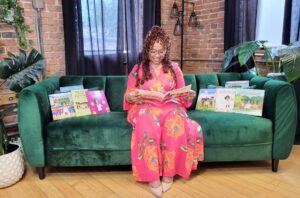
Today, Tolson is introducing young readers to the wonders of scientific discovery through her children’s book series, Noa The Little Scientist. Her work encourages children to question what they see, investigate their surroundings, and recognize that science is already part of their everyday lives.
Intellectual Ink Magazine: For readers meeting you for the first time, who is Shenell Tolson, DrPH, and what first drew you toward science, education, and public health?
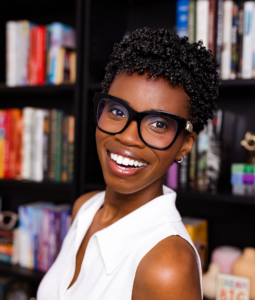
Shenell Tolson, DrPH: For readers meeting me for the first time, I’m Shenell Tolson, DrPH—a scientist, educator, public health professional, and children’s book author who is passionate about helping people understand how science connects to their everyday lives. I have always been interested in science. Since I have been, as my Granddaddy would say, “knee-high to a grasshopper.” It’s always felt like something innate to me. I played a lot outside making mud pies, playing in the creek, looking at all kinds of bugs and insects…I was a curious child. I wanted to know how things worked. I even had a mini microscope, and a little black doctor bag with a stethoscope and cartoon band-aids. If you came to my “office” for an appointment, you’d leave with some great medical care and orange TicTacs (your prescription). Some of my other favorite things to do were putting puzzles together, reading, and watching Sesame Street. I have always enjoyed learning new things. I truly believe this is why my background ended up being rooted in biology, science education, and public health. I’ve been interested in all of those things since childhood. So, I guess it’s safe to say that I’ve been building my career at the intersection of science, health, risk, and evidence ever since.
Intellectual Ink Magazine: The series encourages children to observe, question, investigate, think critically, and solve problems. Why do you believe developing a scientific mindset is just as important as teaching children scientific facts?
Shenell Tolson, DrPH: Facts are important, but knowing facts does not necessarily teach someone how to think scientifically. I want children to develop the ability to observe, ask questions, evaluate information, investigate problems, consider evidence, and think critically. That is why inquiry is such an important part of my approach to education. I want learners to participate in the process of understanding rather than simply receive information. A scientific mindset gives children tools they can continue using long after they have forgotten a particular fact. This is also particularly important in a world where people encounter an enormous amount of information every day. Children and adults need to be able to ask, “How do we know this?” and “What evidence supports this?” Those are scientific questions, but they are also life skills. With Noa The Little Scientist, I want children to see themselves as capable thinkers and problem-solvers. The goal isn’t simply for a child to finish a book knowing something new. I want them to finish the book with another question they want to explore.
Intellectual Ink Magazine: As both an educator and entrepreneur, what have been some of the biggest challenges in taking your work beyond the classroom and building resources that can reach families and communities more broadly?
Shenell Tolson, DrPH: One of the biggest challenges has been navigating the gap between interest in STEM education and the resources required to sustain it. I have seen firsthand that families, educators, and organizations can be genuinely excited about the books, the activities, and the idea of bringing hands-on science experiences to children, but that interest does not always translate into a purchase, a paid program, or a long-term partnership. For example, teachers may invite me to bring my books and hands-on experiments into their classrooms because they recognize the value of those experiences for their students. At the same time, schools and educators often have limited budgets, which can make it difficult to compensate the people providing those experiences or purchase the resources needed to support them. Families can also express enthusiasm for the books while still facing competing financial priorities when it comes to purchasing educational materials. Another challenge has been turning promising conversations into sustainable partnerships. At events, I often meet educators, organizations, and community leaders who are excited about the work and see potential opportunities to collaborate. Those conversations are valuable, but not every connection develops into an ongoing relationship or a concrete partnership. Learning how to move from a great conversation to a mutually beneficial, sustainable opportunity has been an important part of my growth as an entrepreneur. At the same time, these challenges have reinforced something important for me: creating meaningful educational resources is only part of the work. Building the systems, partnerships, funding models, and relationships that allow those resources to reach more children is equally important. I am continuing to look for ways to make the Noa the Little Scientist series and related STEM experiences accessible to families and communities while also building a sustainable model that values the time, expertise, and resources required to create them.
Tolson’s complete interview, “Raising the Next Generation of Scientists,” appears in Intellectual Ink Magazine’s Black Girl Magic, Issue 32. She discusses representation in STEM, the development of Noa The Little Scientist, public health literacy, and her plans for expanding educational opportunities.
Learn more about her work at https://www.shenelltolson.com/.