
10 Ways Readers Can Support Black Authors at Literary Festivals
4 min read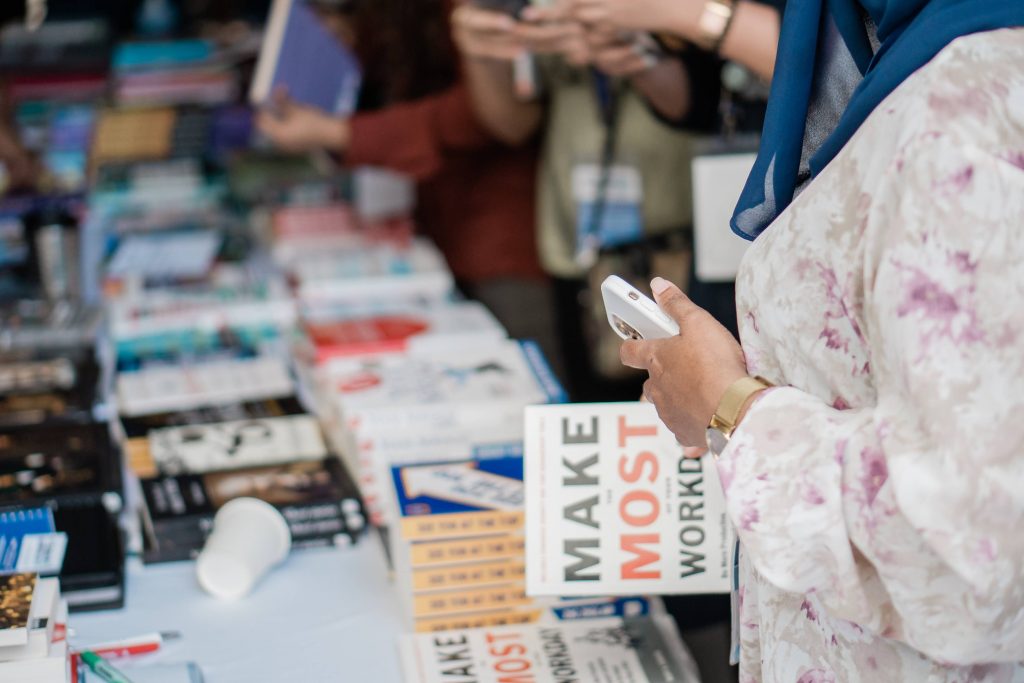
Buying a book directly from an author provides immediate support, but a reader’s influence can extend beyond one transaction. Literary festivals create opportunities to discover new work, introduce authors to other readers, and strengthen the communities that allow Black books to remain visible. These actions can help a book continue moving after the festival ends.
1. Attend the Festival and Stay Long Enough to Explore
Strong attendance helps organizers demonstrate that Black literary events have an active audience. That support can affect sponsorships, future venues, media attention, and the festival’s ability to return. Take time to browse the full marketplace, attend readings, listen to discussions, and visit authors who may be unfamiliar. Some of the best discoveries happen away from the most heavily promoted tables.
2. Bring Another Reader With You
Invite a friend, relative, book-club member, or young reader who may enjoy the event. One invitation can introduce someone to several authors, expand the festival’s audience, and create another person who shares information about the books afterward. Groups also tend to discuss their purchases, compare recommendations, and encourage one another to try authors they might have passed alone.
3. Ask Authors About Their Work
A thoughtful conversation can help readers understand whether a book suits their interests. Ask about genre, themes, characters, setting, series order, or the audience the author had in mind. Tell the writer what you usually enjoy reading so they can recommend the most appropriate title. These conversations also give authors useful information about what readers notice and which parts of the work create interest.
4. Buy Directly When the Book Fits Your Interests
Direct sales may allow an independent author to retain more of the purchase price than a standard retail sale. Festival purchases may also include signed copies, personalized messages, special editions, bundles, or titles that are difficult to find in local stores. Readers should still choose books they genuinely expect to read. Long-term support grows from meaningful connections with the work.
5. Share Clear Information About Your Purchase
Post the book where the title, cover, and author’s name can be seen. Tag the author and the festival when appropriate. A useful post helps another reader identify and locate the book. A photograph of several unreadable covers may look attractive while giving people very little information to follow. A brief comment about why you selected the book can make the recommendation more personal and useful.
6. Leave a Review After Reading
Reviews help independent books gain credibility and become easier for other readers to evaluate. A meaningful review can describe the genre, tone, characters, pacing, or themes without revealing major plot details. It can also identify the type of reader who may enjoy the book. The review does not need to be lengthy. It needs to reflect an actual reading experience and provide more information than a rating alone.
7. Request the Book at Your Library
Libraries consider community interest when making purchasing decisions. Readers can submit a purchase request through the library’s website or ask a librarian about the process. Include the book’s title, author, ISBN, and publisher when that information is available. A library purchase allows the book to reach readers who may not be able to buy it and can introduce the author to local programming opportunities.
8. Recommend the Author to Book Clubs and Organizations
Book clubs, schools, libraries, community centers, churches, writing groups, and cultural organizations often look for authors, speakers, and workshop leaders. Share the author’s website or contact information with groups that may be a good fit. Avoid promising an appearance on the author’s behalf. The introduction should give both sides an opportunity to discuss the details directly. One thoughtful recommendation can lead to additional sales, speaking fees, and new readers.
9. Join the Author’s Mailing List
Social media platforms control how often an author’s posts reach followers. A mailing list gives the writer a more direct connection to readers. Subscribe when you genuinely want information about new releases, appearances, preorders, and projects. Open the messages and use the links when something interests you. A smaller group of engaged subscribers provides more value than a large list of people who never respond.
10. Return and Continue the Relationship
Attend future festivals, signings, readings, and release events when possible. Look for the author’s next book and share updates with readers who may have similar interests. Repeated support helps regional literary communities become stable. Authors are more likely to return to cities where readers show up, engage with their work, and remain connected between events. A festival introduces readers and writers. The relationship grows through reading, reviewing, requesting, recommending, and returning.