
Building a Readership Close to Home: The Power of Regional Black Book Festivals
5 min read
Major literary conventions attract large crowds, recognizable names, national sponsors, and plenty of social media attention. For independent authors, the size of an event does not always determine its value. Authors have to consider what happens after the photographs are posted and the tables are packed away. Book sales matter, along with expenses, reader relationships, local visibility, and the opportunities created through direct contact with the community.
Regional Black book festivals give authors space to build those connections without the financial weight that often comes with attending a major national convention.
The Cost of Chasing the Biggest Stage
A national event can place an author in front of thousands of people, but getting there may require airfare, lodging, meals, transportation, shipping, registration fees, and several days away from work or family responsibilities. Those expenses begin accumulating before the author sells the first book.
A regional festival may attract a smaller crowd, but an author who can drive to the venue, carry inventory, and return home that evening begins with a lower financial burden. Selling fewer books can still produce a stronger result when participation costs less. The sales total tells only part of the story. Authors also need to know what remains after every expense has been paid.
Planning to Purchase a Festival Table?
Before registering, review the audience, total expenses, organizer history, programming, and event policies.
Read: 10 Things Authors Should Check Before Paying for a Book Festival Table

Book festivals can place authors in front of new readers, create direct sales, and open doors to future appearances. They can also cost more than they earn when the audience, organization, or event structure does not support the author’s goals.
10 Things Authors Should Check Before Paying for a Book Festival Table – INTELLECTUAL INK
Access to Readers Who Came Looking for Black Books
Regional Black book festivals often serve readers who already want to discover Black writers and independent books. They may be searching for urban fiction, Black romance, poetry, children’s literature, memoir, speculative fiction, nonfiction, or stories rooted in their own communities. That shared interest changes the conversation between the author and the reader.
The author can discuss the characters, themes, setting, and purpose of the work with people who understand why those stories belong in the room. Readers arrive prepared to browse, ask questions, hear new voices, and support work they may never encounter through a major retailer’s front-page recommendations. This creates an important space for independent authors whose books are available but rarely placed where interested readers can easily discover them.
Direct Sales Create Direct Relationships
Selling books in person gives authors more control over the experience. They can sign copies, introduce readers to an entire series, create bundles, discuss reading order, and explain what connects one title to another. That conversation can turn a passing shopper into a long-term reader.
Someone who discovers an author at a neighborhood festival may later invite that writer to a book club, request the book at a library, attend another signing, or recommend the title to friends. When the author lives within the region, those relationships are easier to maintain through future appearances, workshops, school visits, bookstore events, and community programs.
Regional festivals can also teach authors more about their audience. Readers frequently explain what drew them to a cover, which genres they enjoy, who they are shopping for, and what they hope to find. Those conversations can shape future marketing, inventory decisions, event planning, and the way an author describes a book. Online sales reports show what sold. Conversations with readers often reveal why someone reached for the book.
Recommended Reading
Black-Owned: The Revolutionary Life of the Black Bookstore by Char Adams
Black literary festivals continue a tradition established by Black bookstores as places of commerce, culture, political education, and community connection. In Black-Owned, journalist Char Adams traces the history of Black-owned bookstores and the people who built them into vital gathering spaces. The book begins with abolitionist David Ruggles and follows generations of booksellers who connected literature with political action, cultural preservation, and community life.
The history offers useful context for understanding the role Black literary events continue to serve. These gatherings place Black books directly into the hands of Black readers while creating space for conversation, discovery, and connection.
Room to Be Remembered
Large conventions offer scale, and that scale brings competition. An independent author may share the room with hundreds of books, vendors, publishers, panels, and personalities seeking the same attention. Smaller events can provide more time for meaningful conversation.
Readers can ask about the story, hear why the book was written, meet the person behind it, and leave with a signed copy connected to a memory. Authors who participate in readings, panels, workshops, or interviews gain additional opportunities to introduce their work beyond the vendor table.
That visibility can lead to local media coverage, podcast invitations, bookstore relationships, library programs, and partnerships with community organizations. Those opportunities may develop weeks or months after the festival ends.
Strengthening the Literary Community
Regional Black book festivals support more than individual book sales. They bring readers, writers, educators, publishers, booksellers, librarians, and community organizations into the same space. Children meet authors who reflect their experiences. Emerging writers gain access to people who understand the publishing journey. Readers discover independent books that may never receive national promotion. Authors meet professionals who may become collaborators, resources, or supporters.
The money spent at these events also moves through a wider network. Readers purchase books. Authors hire designers, editors, printers, photographers, and assistants. Organizers rent venues and work with local vendors. Bookstores and libraries discover titles they may carry or recommend. Each connection adds strength to the literary ecosystem surrounding the event.
Readers Help These Events Grow
Purchasing a book is one way readers support an author. Reviews, library requests, recommendations, social sharing, and returning for future events can help the work travel further.
Read: 10 Ways Readers Can Support Black Authors at Literary Festivals
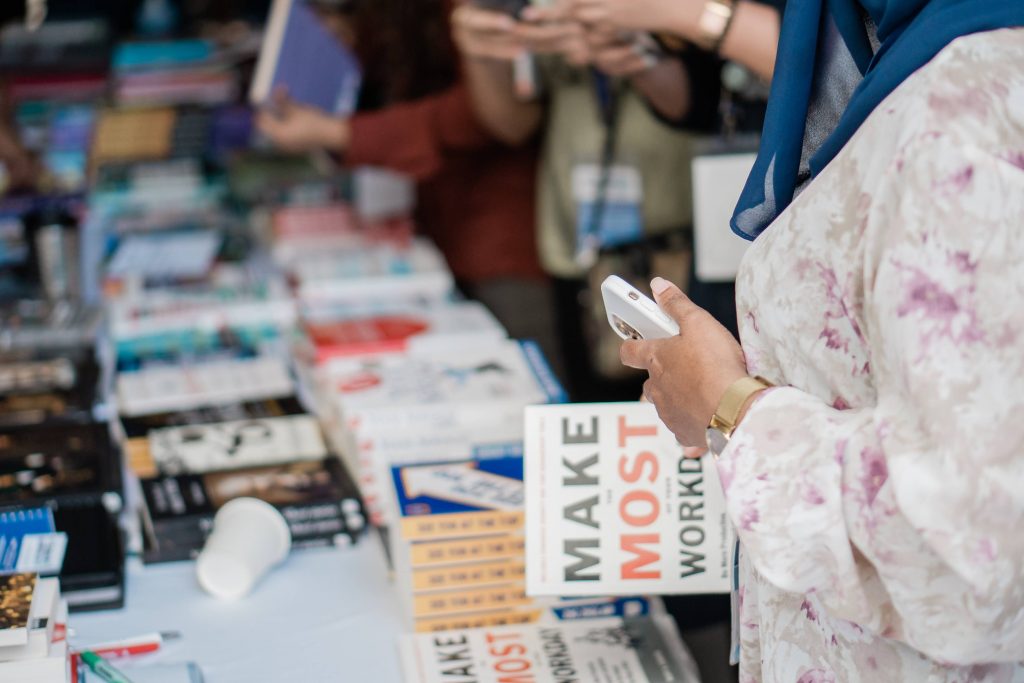
Buying a book directly from an author provides immediate support, but a reader’s influence can extend beyond one transaction. Literary festivals create opportunities to discover new work, introduce authors to other readers, and strengthen the communities that allow Black books to remain visible. These actions can help a book continue moving after the festival ends.
10 Ways Readers Can Support Black Authors at Literary Festivals – INTELLECTUAL INK
Find a Literary Event Near You
AALBC maintains a calendar of book fairs, festivals, conferences, and author events in the United States and abroad. Authors can use the listings to research possible appearances, while readers can discover upcoming events and literary communities beyond their immediate area.
Explore the AALBC Events Calendar:
https://aalbc.com/events/
Building From the Community Outward
Major national conventions can provide valuable exposure, industry contacts, and access to readers from several markets. Regional festivals offer a different kind of opportunity rooted in manageable costs, direct relationships, community visibility, and steady audience growth.
A meaningful author career can grow through a series of well-chosen rooms where readers have time to see the books, meet the writer, and remember both after they leave. The value of a regional festival can be found in the reader who buys the first book in a series, returns for the next release, brings friends to another event, and becomes part of the community supporting the author’s work.