
Press Play: The Audiobook Opportunity for Indie Authors
4 min read
Trending Tuesday
The audiobook industry is no longer a secondary market reserved for bestselling authors and major publishing houses. Audio has become one of publishing’s strongest growth areas, creating new opportunities for independent authors to reach people who may not have time to sit down with a physical book.
The Audio Publishers Association reports that U.S. audiobook sales reached $2.43 billion in 2025, a 9 percent increase over the previous year. More than 750,000 audiobook titles were available, while an estimated 58 percent of American adults had listened to at least one audiobook.
That audience includes commuters, travelers, parents, caregivers, rideshare drivers, gym-goers, and people who listen while working or completing everyday tasks. For authors, audio transforms time that was previously unavailable for reading into another opportunity to experience a book.
Authentic Voices Matter
Narrating an audiobook requires more than reading words into a microphone. The narrator controls the pacing, emotion, dialogue, humor, tension, and personality of the story.
That responsibility becomes especially important with urban fiction, Black romance, memoir, historical fiction, and stories rooted in specific cities or communities. A narrator must understand the language, rhythm, cultural references, and emotional weight behind the words.
The right narrator can make listeners feel as though they personally know the characters. The wrong narrator can flatten regional speech, mishandle cultural language, or disconnect the performance from the community represented in the book.
Authentic casting is part of protecting the integrity of the story.
Audio Creates Another Audience
Someone who buys an audiobook may not be the same person purchasing a paperback or ebook. Some readers prefer audio exclusively, while others move between formats depending on where they are and what they are doing.
This gives authors an opportunity to relaunch books that have already been published. An audiobook release can generate narrator interviews, audio excerpts, sample chapters, behind-the-scenes videos, and renewed attention for an older title.
A strong backlist can become an audio library capable of reaching an entirely different audience.
Recommended Read
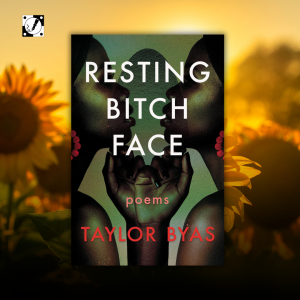
The Guide to Publishing Audiobooks: How to Produce and Sell an Audiobook by Jessica Kaye
Jessica Kaye’s guide offers a practical introduction for authors and independent publishers interested in breaking into audiobook production. It covers evaluating whether a book is suitable for audio, understanding audio rights, choosing a narrator, managing production, and publishing the completed audiobook.
The book is especially useful for authors who need to understand the business of audiobook production before investing money into a project. Kaye is an audiobook producer, director, and attorney, giving readers insight into both the creative and legal sides of the industry.
Indie Authors Are Funding Their Own Productions
Professional audiobook production can be expensive. Authors may need to pay for narration, recording, editing, mastering, distribution, and marketing.
Independent authors are finding ways around that barrier through crowdfunding, preorders, direct sales, sponsorships, payment plans, and royalty-sharing agreements with narrators or production companies.
A crowdfunding campaign might offer signed books, early audiobook access, bonus chapters, private readings, character artwork, producer credits, or acknowledgments as rewards. This allows an author’s existing audience to help fund the production before the full expense comes out of the author’s pocket.
It also measures demand. When readers preorder an audiobook or contribute to its production, the author receives evidence that people are prepared to listen before investing thousands of dollars into the project.
Authors Must Become Producers
The continued growth of audio does not mean every author should immediately buy a microphone and begin recording a book from the bedroom.
A poorly produced audiobook can hurt a strong story. Background noise, inconsistent sound, weak pacing, mispronunciations, and obvious editing mistakes can quickly make listeners stop listening.
Authors must decide whether they have the voice, acting ability, recording environment, and technical knowledge to narrate their own work. A memoir may benefit from the intimacy of the author’s voice. A novel containing numerous characters, ages, personalities, and accents may require a trained performer.
Authors should audition narrators carefully, listening for emotional range, character distinction, pronunciation, pacing, and whether the narrator understands the world of the book.
The narrator may become the voice listeners associate with an entire series, so that partnership should be chosen carefully.
The Opportunity for Black Publishing
Black storytelling has always been connected to oral tradition. Stories have traveled through family conversations, sermons, spoken-word performances, music, radio, barbershops, beauty salons, classrooms, and community gatherings.
Audiobooks bring that tradition into a growing modern industry.
Independent Black authors can use audio to preserve regional voices, employ Black actors and narrators, reach people who do not regularly visit bookstores, and eventually expand into serialized fiction, podcasts, full-cast dramas, and original audio productions.
The opportunity is real, but authors must enter the market with a plan. They need a realistic budget, a defined audience, professional production, thoughtful casting, and a marketing strategy built around how listeners discover and consume stories.
The next major audience for urban and independent Black literature may already be waiting with headphones on.