

Business Book Review: Build the Damn Thing by Kathryn Finney
3 min read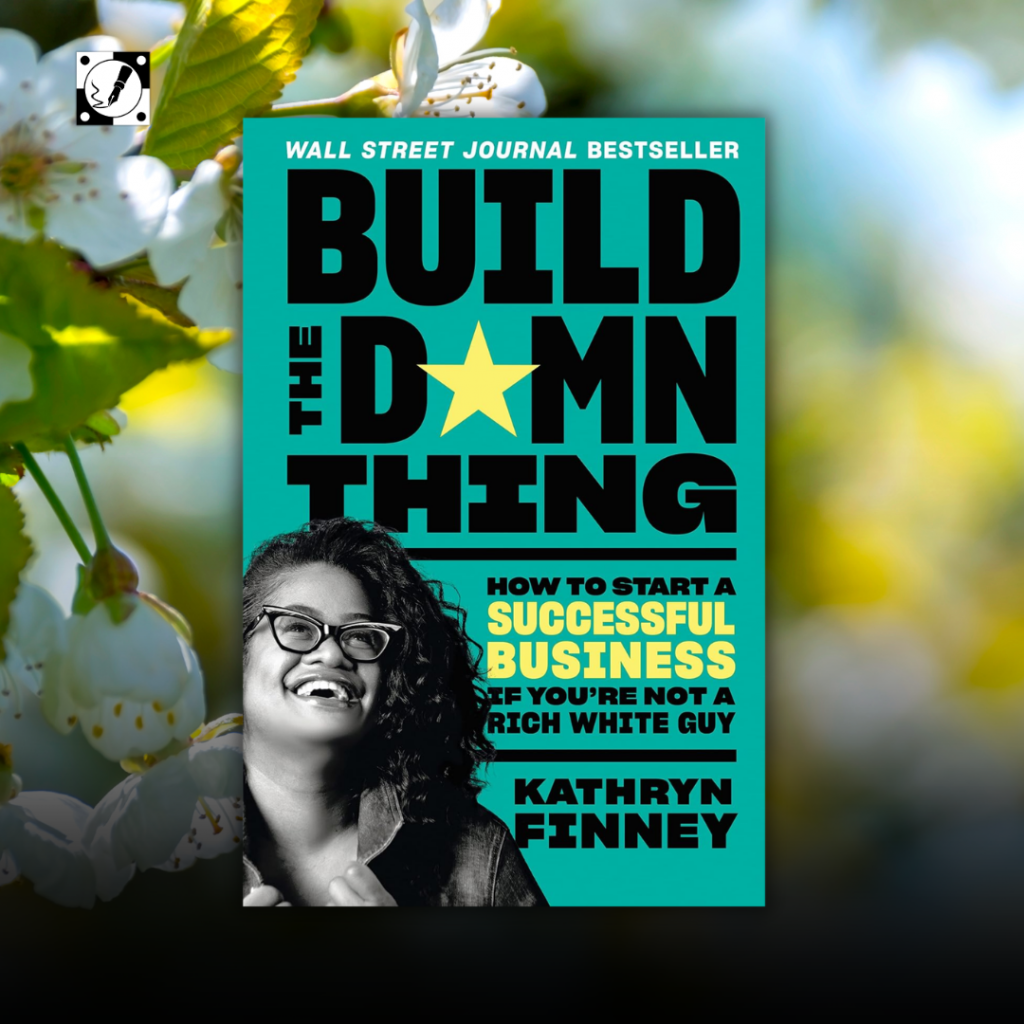
Entrepreneurship advice often sounds as though every founder begins with wealthy connections, easy access to investors, and enough financial security to survive several mistakes. Kathryn Finney understands that many entrepreneurs are building from a completely different starting point.
In Build the Damn Thing: How to Start a Successful Business If You’re Not a Rich White Guy, Finney offers a practical guide for founders who have historically been overlooked, underestimated, or excluded from traditional business networks. She speaks directly to women, Black entrepreneurs, people of color, and other business owners who may have talent and vision without receiving the same access or benefit of the doubt.
Building Without Permission
One of the book’s strongest messages is that entrepreneurs cannot always wait for established systems to recognize their value. Some founders must create their own opportunities, relationships, and pathways to success.
Finney does not pretend that determination automatically removes structural barriers. She acknowledges that access to funding, mentorship, and influential networks remains unequal. Her focus, however, is on helping entrepreneurs understand those barriers without allowing them to become permanent excuses.
That balance matters. Motivational business books sometimes act as though positive thinking can solve every financial or institutional problem. Finney offers encouragement while still respecting the reality of what underrepresented founders face.
From an Idea to a Business
The book walks readers through several stages of building a company, including identifying a problem, testing an idea, developing a team, communicating a vision, and pursuing funding.
Finney stresses that a business must solve a problem people are willing to pay to have solved. Passion may inspire an idea, but customer demand determines whether that idea can become sustainable.
This distinction is especially useful for creative entrepreneurs. Writers, designers, podcasters, consultants, and content creators may love what they produce, but a successful business also requires a clear audience, useful offer, reliable system, and realistic path to revenue.
The People Around the Vision
Finney also challenges the belief that founders should automatically build their teams around friends and relatives. Trust is important, but familiarity does not guarantee that someone has the skills, discipline, or temperament a growing company needs.
She encourages entrepreneurs to identify the different roles required to move a business forward. A founder may be an excellent visionary while struggling with operations, finances, organization, or execution. Recognizing those gaps is responsible leadership, not weakness.
This section is a valuable reminder that building a company requires more than gathering supportive people. It requires placing capable people in clearly defined positions where their strengths serve the larger mission.
A Practical Voice for Underrepresented Founders
Finney’s writing is direct, conversational, and grounded in her experience as an entrepreneur and investor. The book does not read like a distant lecture from someone who has never had to fight for access.
She writes for people who are capable of building successful companies but may not fit the image that investors, institutions, and business media traditionally associate with entrepreneurship. Instead of telling those founders to imitate the people already controlling the room, she teaches them how to understand the room, challenge its rules, and build something of their own.
Our Review
Build the Damn Thing is a strong read for aspiring entrepreneurs, early-stage founders, and creative professionals trying to turn their work into a sustainable company. Established business owners may also find value in its sections on leadership, team building, positioning, and growth.
The book’s greatest strength is its combination of realism and action. Finney acknowledges that the entrepreneurial playing field is uneven, but she refuses to suggest that overlooked founders are powerless.
A great idea is only the beginning. The next step is testing it, organizing it, funding it, improving it, and finally building the damn thing.
Intellectual Ink Rating: 4.5 out of 5 ink pens
Recommended for: Entrepreneurs, freelancers, creatives, startup founders, and anyone building a business without traditional access or financial privilege.